
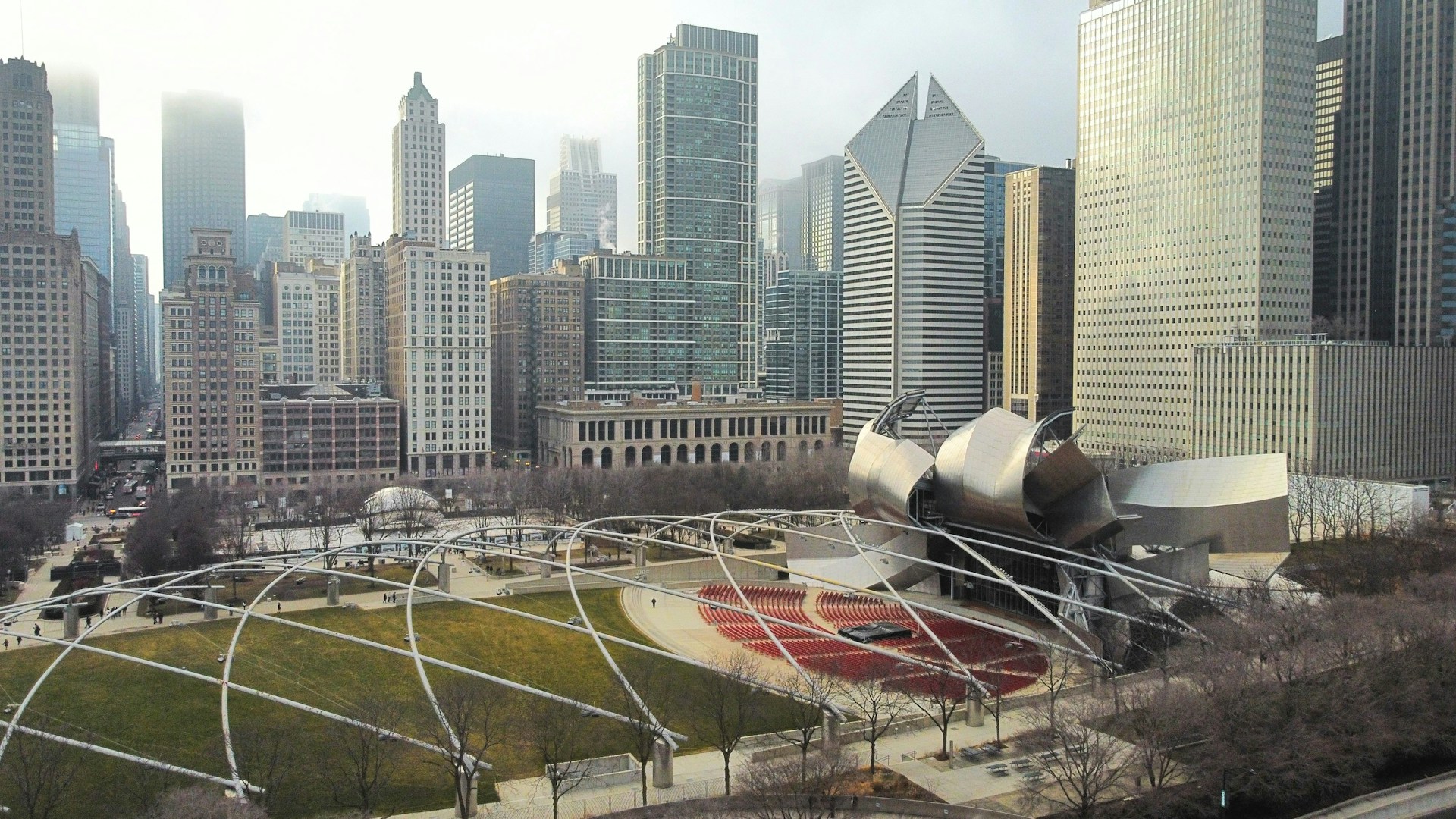
I’ve been covering Chicago neighborhoods long enough to recognize the signs. A new coffee shop replaces a currency exchange. A warehouse becomes “luxury loft living.” And suddenly the rent you laughed at last year feels… optimistic. Chicago’s next hot neighborhoods aren’t secrets anymore—they’re just early.
If you’re renting, buying, or relocating, this is the narrow window where timing matters more than granite countertops. Miss it, and you’ll be asking why your rent jumped $400 “market adjustment–style.”
How I Know a Neighborhood Is About to Pop
Before we get into names, here’s what longtime Chicago watchers look for:
- New CTA or Metra improvements
- Major mixed-use developments breaking ground
- Independent restaurants opening second locations
- Rising demand from remote workers and first-time buyers
- Rents climbing—but still below citywide averages
When two or three of those show up at once, rent hikes usually follow within 12–24 months.
Avondale
Logan Square’s Younger, Cheaper Sibling
Avondale used to live in Logan Square’s shadow. Not anymore.
With spillover from Logan Square pricing people out, Avondale is catching the overflow—artists, young professionals, and families who want space without Logan’s sticker shock.
Why Avondale is heating up
- Blue Line access via Belmont and Addison
- Strong Polish and Latino food scene
- New mid-rise apartments along Milwaukee Avenue
Current pricing (still reasonable—for now):
- 1-bedroom: $1,300–$1,650
- 2-bedroom: $1,700–$2,200
Logan Square did this exact thing a decade ago. Avondale is just earlier in the movie.
McKinley Park
The South Side Sleeper Everyone Missed
McKinley Park is the neighborhood real estate insiders whisper about at open houses.
It’s clean, quiet, close to downtown, and anchored by one of the city’s best actual parks. That combination doesn’t stay undervalued forever.
What’s driving demand
- Easy access to the Orange Line
- Strong single-family home stock
- Proximity to Bridgeport and Pilsen without their prices
Pricing snapshot
- 1-bedroom rentals: $1,200–$1,500
- Starter homes: Still under $400K
McKinley Park feels like a place people move to stay, not flip. That stability pushes rents up slowly—but steadily.
Uptown
Lakefront Living Without Lakeview Prices
Uptown has been “about to pop” for years. The difference now? It actually is.
Between major redevelopment, restored theaters, and renewed interest in lakefront access, Uptown is finally turning potential into momentum.
Why Uptown is back
- Wilson Red Line station overhaul
- Lakefront access without Lakeview pricing
- Historic architecture meeting modern renovations
Rent comparison
- Uptown 1-bedroom: $1,500–$1,900
- Lakeview equivalent: $2,000–$2,400
When lakefront inventory tightens, Uptown benefits first.
Back of the Yards
Yes, Really—This One
Ten years ago, suggesting Back of the Yards would be “up-and-coming” would’ve gotten you laughed out of a showing. Not anymore.
Targeted investment, community-led development, and affordability are drawing first-time buyers who were priced out everywhere else.
Why it’s on the radar
- City-backed revitalization projects
- Affordable multi-unit properties
- Growing interest from long-term investors
Current pricing
- Rentals still under $1,300
- Multi-units far below city averages
This isn’t a hype play—it’s a long game. But long games tend to reward early movers.
Albany Park
Transit-Rich, Diverse, and Still Undervalued
Albany Park has one of the best transit-to-price ratios in the city. Brown Line access, international dining, solid housing stock—and rents that haven’t caught up yet.
Why it won’t stay cheap
- Brown Line stations throughout the neighborhood
- Large apartments with real square footage
- Increasing interest from families and roommates
Typical rents
- 1-bedroom: $1,350–$1,700
- 2-bedroom: $1,800–$2,200
When people realize they can commute easily and afford space, Albany Park wins.
Neighborhoods on the Edge of the Next Wave
Keep these on your short list if you’re planning ahead:
- South Shore – Lakefront value with long-term upside
- East Garfield Park – Riskier, but rapidly changing
- West Ridge – Quiet now, rising demand
These are “watch closely” areas where timing matters most.
What This Means for Renters and Buyers
If you’re renting:
- Lock in longer lease terms when possible
- Prioritize transit access over trendy blocks
- Move before major developments open, not after
If you’re buying:
- Look for neighborhoods with infrastructure investment
- Focus on livability, not hype
- Appreciation follows demand—not Instagram posts
Summary: The Window Is Still Open—Barely
Chicago doesn’t explode overnight. It creeps. Then it jumps.
The neighborhoods above are in that narrow in-between phase—where rent hasn’t exploded yet, but the signs are flashing. If you wait until everyone agrees a neighborhood is hot, you’re already late.
Visit TourWithAgent.com to schedule curated apartment tours in Chicago with real availability, real pricing, and an expert agent to guide you.
Related Articles-
The Cheapest Chicago Neighborhoods That Still Feel Expensive