

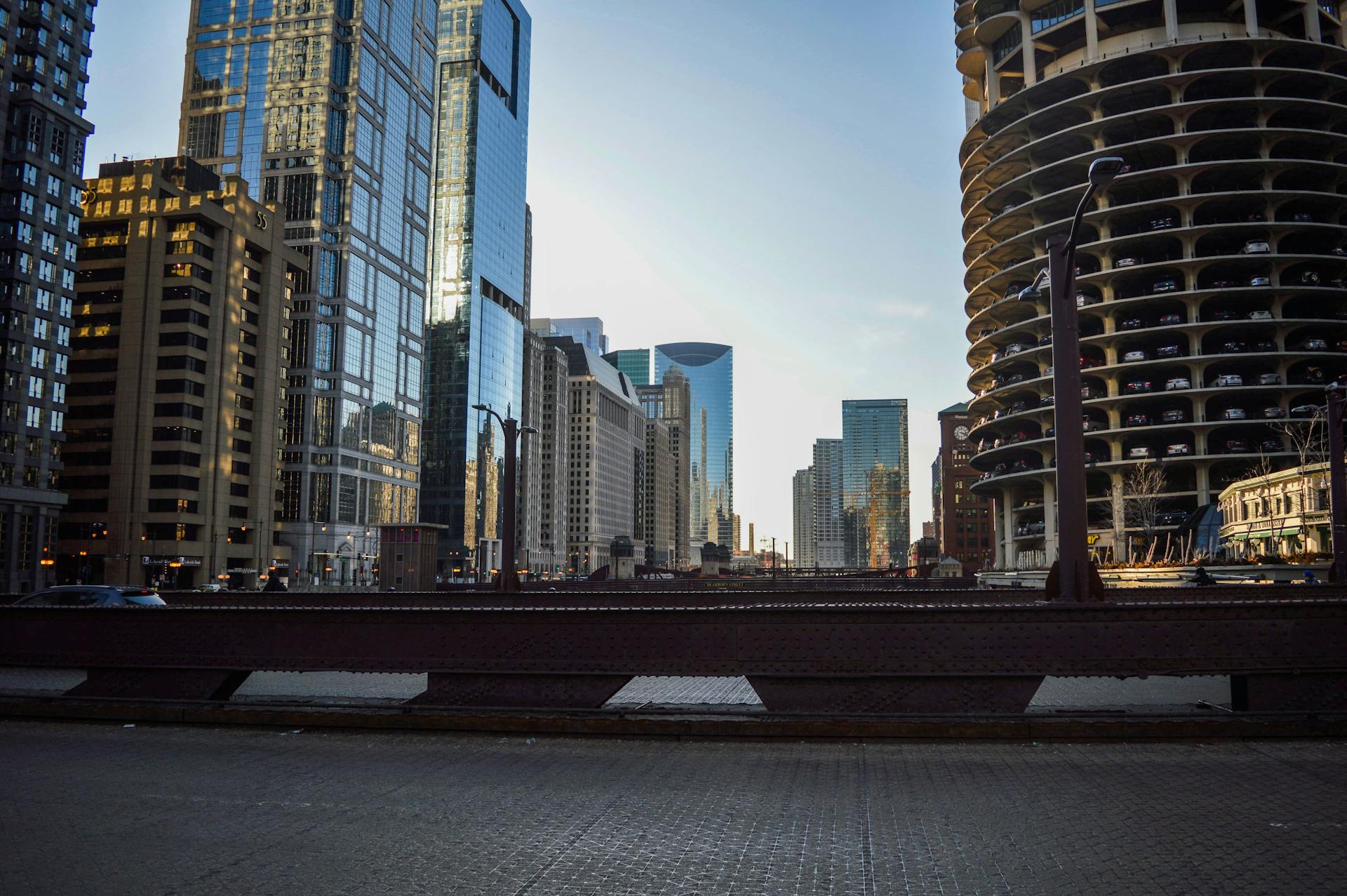
I’ve been covering housing in this city long enough to know one thing: Chicago landlords love paperwork, but they don’t always love explaining it. And if you’re renting in Lincoln Park, Logan Square, Bronzeville, or anywhere between O’Hare and Hyde Park, understanding your Chicago Renter Rights can save you thousands of dollars and a few sleepless nights.
Chicago is not the Wild West when it comes to renting. In fact, thanks to the city’s Residential Landlord and Tenant Ordinance, renters here have some of the strongest protections in the country. But most tenants don’t realize it until something goes wrong.
Let’s fix that.
What Governs Chicago Renter Rights?
Chicago renter protections are largely governed by the Chicago Residential Landlord and Tenant Ordinance, commonly known as the RLTO.
If you rent in a building with more than six units — and most multi-unit buildings in Chicago qualify — the RLTO likely applies to you.
What the RLTO Covers
- Security deposits
- Repairs and maintenance
- Lock changes
- Evictions
- Retaliation
- Lease disclosures
- Late fees
It’s one of the most comprehensive tenant protection laws in the country. And yet, many renters sign leases without ever reading it.
Security Deposits: Where Landlords Slip Up
Chicago security deposit law is strict — and costly for landlords who get it wrong.
Interest Is Required
If your landlord collects a security deposit, they must:
- Hold it in a separate interest-bearing account.
- Pay you annual interest (even if it’s a small amount).
- Provide written disclosure of the bank location.
Miss one step? The penalty can be two times the deposit plus attorney’s fees.
Example:
If you put down $2,000, a violation could cost the landlord $4,000 or more.
45-Day Rule
When you move out:
- Landlords have 45 days to return your deposit.
- If deductions are made, they must provide itemized receipts within 30 days.
No vague “cleaning fee” scribbled on a sticky note.
Repairs: You Don’t Have to Live With It
Chicago winters are brutal. If your heat goes out in January, this isn’t Phoenix — it’s dangerous.
Under Chicago Renter Rights:
- Heat must be maintained at 68°F during the day (Sept 15 – June 1).
- Essential services must be restored promptly.
- You may have the right to:
- Withhold rent
- Pay for repairs and deduct from rent
- Terminate your lease in extreme cases
Real-World Example
I once spoke with a tenant in Lakeview paying $2,300 a month for a “luxury” unit. The heat failed twice during polar vortex weather. The landlord delayed repairs.
Under the RLTO, the tenant was entitled to:
- Hotel reimbursement
- Reduced rent
- Potential lease termination
Most renters never realize they have leverage.
Landlord Entry: They Can’t Just Walk In
Your landlord cannot just unlock your door because “they own the place.”
Chicago law requires:
- At least 48 hours’ notice for non-emergency entry
- Reasonable times for access
- Written notice preferred
Exceptions: true emergencies like fire or flooding.
If your landlord repeatedly enters without notice, that could qualify as harassment or retaliation.
Retaliation Is Illegal
If you request repairs or report code violations, your landlord cannot:
- Raise rent suddenly
- Refuse to renew your lease
- Evict you out of spite
That’s retaliation, and Chicago courts do not look kindly on it.
Document everything.
Eviction in Chicago: It’s Not Instant
Eviction here involves the legal system — not just a text message.
Landlords must:
- Serve proper written notice (5-day, 10-day, or 30-day depending on issue).
- File a court case.
- Obtain a judge’s order.
- Use the Cook County Sheriff for enforcement.
No landlord can change locks or toss your belongings on the curb. That’s illegal lockout — and penalties can include damages and legal fees.
Late Fees: There’s a Cap
Chicago caps late fees under the RLTO:
- $10 for first $500 of rent
- 5% of the amount over $500
So if your rent is $1,800:
- $10 on first $500
- 5% of $1,300 = $65
- Total max late fee: $75
If your lease says $200 flat fee? That may violate Chicago tenant rights.
Move-In Fees vs. Security Deposits
Many Chicago landlords now charge “move-in fees” instead of deposits.
Typical range:
- $300–$600 for 1-bed units
- $500–$900 for 2-bed units
Why?
Move-in fees are non-refundable and not governed by deposit rules. That means no interest, no 45-day return requirement.
It’s legal — but renters should understand the difference.
Lease Disclosures You’re Entitled To
Landlords must provide:
- RLTO summary
- Security deposit bank disclosure
- Notice of foreclosure (if applicable)
- Bed bug disclosure
Failure to provide required documents can give tenants legal remedies.
What Landlords Rarely Explain
Here’s what doesn’t always get highlighted during a showing:
- You may be entitled to attorney’s fees if you win a dispute.
- Verbal agreements still matter if documented.
- You can negotiate lease terms before signing.
- Some buildings are exempt from RLTO — always confirm.
Understanding Chicago Renter Rights before signing gives you leverage.
Understanding them after signing gives you protection.
Buyers & Relocators: Why This Matters Too
Even if you’re relocating or planning to buy later, understanding Chicago lease laws helps you:
- Avoid signing bad short-term leases
- Protect relocation budgets
- Compare rent vs. buy decisions realistically
In neighborhoods like West Loop, River North, and Wicker Park, rents for 1-bedrooms range from $1,900 to $2,700. Security deposits or move-in fees can add $500–$2,500 upfront.
That’s real money.
Summary: Know It Before You Need It
Chicago Renter Rights exist to protect tenants from abuse, confusion, and unfair practices.
Here’s the short version:
- Deposits must follow strict rules.
- Repairs are not optional.
- Entry requires notice.
- Retaliation is illegal.
- Evictions require court orders.
- Late fees are capped.
The law is on your side — but only if you know it.
Visit TourWithAgent.com to schedule curated apartment tours in Chicago with real availability, real pricing, and an expert agent to guide you.