

If you’ve ever signed a Chicago lease and thought, “Great, I’m done spending money,” allow me to gently introduce you to Furniture Costs First-Time Renters Ignore. As someone who’s covered housing in this city long enough to remember when studios in Lakeview were under $1,000, I can tell you this: the rent is only the beginning.
Those empty apartments in River North and Logan Square don’t come with sofas, dining tables, or the thousand tiny items that make a place livable. And in Chicago, those costs add up fast.
Let’s break down what first-time renters consistently underestimate — and what it really costs in 2026.
The Big Shock: Your Apartment Is Completely Empty
Most Chicago rentals are unfurnished. That means when you pick up keys in neighborhoods like Lakeview, West Loop, or Lincoln Park, you’re walking into:
- No couch
- No bed frame
- No mattress
- No dining set
- No curtains
- Often no microwave
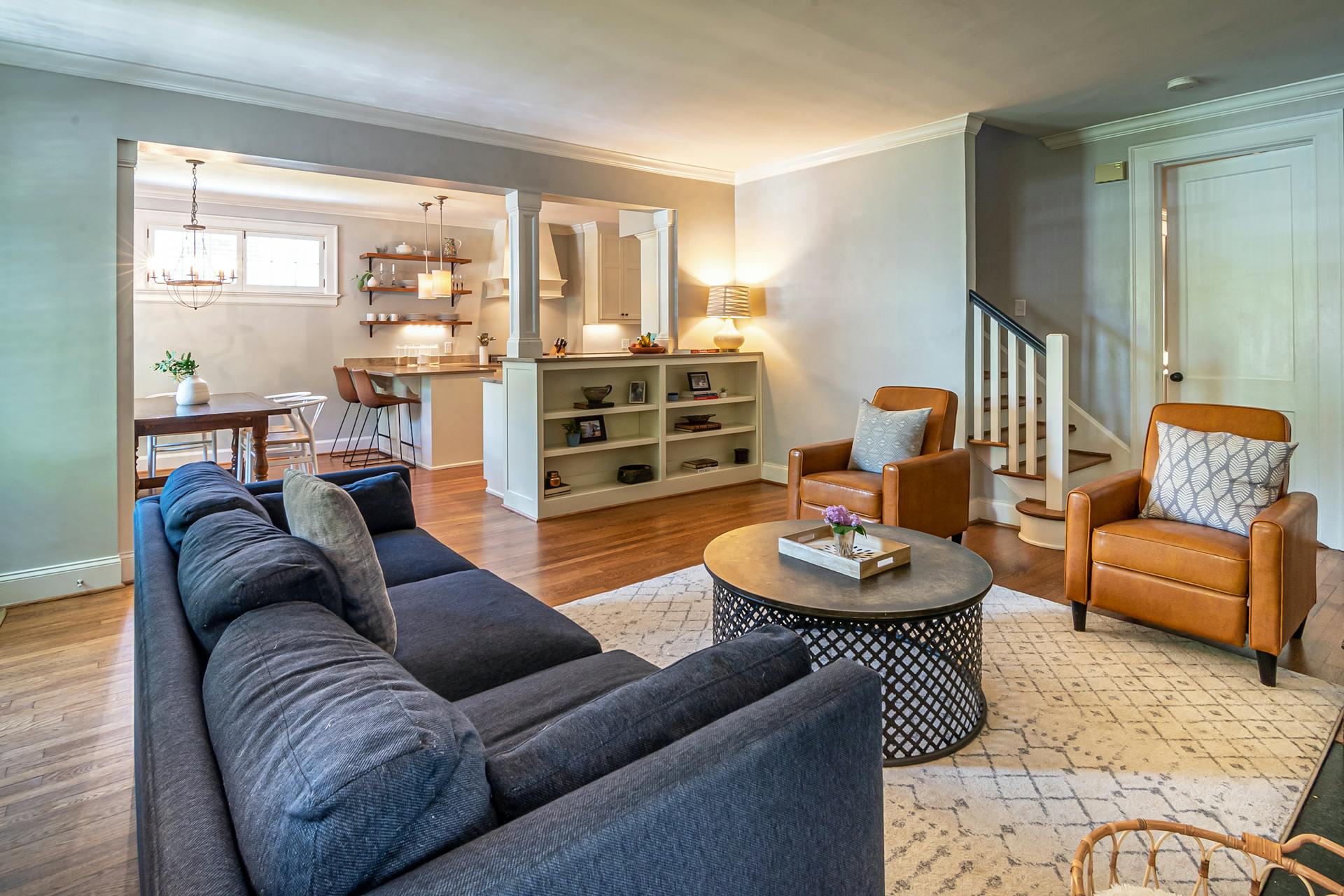
And yes, that beautiful listing photo staged with West Elm furniture? That’s marketing.
The reality of Furniture Costs First-Time Renters Ignore starts the second you realize you’re sitting on the floor eating takeout.
The Real Cost of Furnishing a Chicago Apartment
Here’s what I see renters typically spend for a modest one-bedroom setup in Chicago:
Bedroom Setup
- Mattress: $600–$1,500
- Bed frame: $150–$600
- Dresser: $250–$900
- Nightstands (2): $150–$400
Estimated total: $1,150–$3,400
And that’s before you buy sheets, pillows, and mattress protectors.
Living Room Essentials
- Sofa: $700–$2,000
- Coffee table: $150–$500
- TV stand: $150–$600
- Area rug: $200–$800
Estimated total: $1,200–$3,900
Chicago renters in high-rises often need specific rug padding due to noise rules — an extra $50–$150.
Dining Area
In a typical Chicago one-bedroom:
- Dining table: $250–$1,200
- Chairs (4): $300–$1,000
Estimated total: $550–$2,200
Many first-timers assume they’ll “just eat at the counter.” Until guests visit.
Kitchen Add-Ons Nobody Budgets For
Most units come with appliances, but not:
- Microwave: $100–$250
- Cookware set: $150–$400
- Dishes and glassware: $100–$300
- Utensils and small appliances: $150–$500
Estimated total: $500–$1,450
This is where Furniture Costs First-Time Renters Ignore quietly snowball.
The Chicago-Specific Cost Factors
Chicago adds its own flavor to furnishing expenses.
1. Move-In Logistics Fees
Many high-rises in River North and the West Loop charge:
- Elevator reservation fee: $150–$500
- Certificate of insurance requirement
- Restricted delivery windows
Large furniture deliveries can cost more due to scheduling limits.
2. Narrow Staircases in Vintage Buildings
If you’re renting in a three-flat in Lincoln Park or Wicker Park:
- Sectionals may not fit
- Delivery crews may charge extra for walk-ups
- You might need modular furniture
Unexpected re-delivery or returns can cost $100–$300.
3. Parking for Delivery Trucks
In dense areas, no loading zone means:
- Parking tickets
- Delivery surcharges
- Rescheduled drop-offs
Furniture costs aren’t just about price tags. They’re about logistics.
The Total First-Year Furnishing Budget
Let’s be conservative.
For a one-bedroom Chicago apartment:
- Bedroom: $2,000 average
- Living room: $2,200 average
- Dining: $1,200 average
- Kitchen + extras: $900
- Decor, lighting, storage, curtains: $800
Estimated total: $7,000–$9,000
That’s the number many renters don’t expect when they calculate affordability.
And that’s why Furniture Costs First-Time Renters Ignore often become credit card balances.
Real-World Example: Logan Square Renter
I recently spoke to a first-time renter who budgeted $1,500 for “basic furniture.” After moving into a $1,850/month Logan Square one-bedroom, here’s what happened:
- Mattress upgrade after back pain: +$400
- Couch delivery fee: +$200
- Extra shelving due to limited closet space: +$300
- Curtains and rods for oversized windows: +$250
Final furnishing total: $6,800
The rent was predictable. The furnishing costs were not.
How Smart Renters Control Furnishing Costs
1. Phase Your Purchases
Buy in order of necessity:
- Mattress
- Basic seating
- Storage
- Decor
You don’t need everything in week one.
2. Measure Before You Buy
Chicago vintage units have tight door frames. Measure:
- Stairwells
- Elevator dimensions
- Door widths
Avoid return fees.
3. Consider Resale Value
Choose neutral furniture that can:
- Be resold on local marketplaces
- Move easily to your next apartment
Think long-term flexibility.
4. Factor Furnishing Into Rent Affordability
If your rent is $2,200/month but you need $8,000 upfront to furnish, that changes your real move-in cost.
Many renters underestimate this when calculating what they can afford.
Why This Matters for Buyers Too
If you’re relocating to Chicago and considering renting before buying, these furnishing costs impact:
- Cash reserves
- Down payment timing
- Overall budget planning
Whether you’re renting short-term or long-term, Furniture Costs First-Time Renters Ignore can delay bigger financial goals.
Summary: The True Cost of an “Empty” Apartment
Chicago apartments may look polished online, but they’re blank canvases.
Expect:
- $7,000–$9,000 for a comfortable one-bedroom setup
- Additional building logistics fees
- Delivery and layout challenges unique to the city
Plan for it before you sign. Because once the lease starts, the spending does too.
Ready to Find a Chicago Apartment That Fits Your Budget?
Before you calculate just the rent, calculate the full picture — including furnishing costs.
Visit TourWithAgent.com to schedule curated apartment tours in Chicago with real availability, real pricing, and an expert agent to guide you.