
If you’ve lived in Chicago long enough, you know there’s a difference between a building and a block. Some places just stack units; others create something deeper. Social Buildings That Feel Like Communities are reshaping how renters and buyers experience high-rise living across neighborhoods from River North to the West Loop.
I’ve toured enough towers in this city to know this: granite countertops are nice. But a sense of belonging? That’s priceless.
What Makes a Building Feel Like a Community?
It’s not just a rooftop grill and a dog run. Plenty of buildings advertise amenities. Fewer create interaction.
Here’s what separates the social buildings from the silent ones:
1. Intentional Shared Spaces
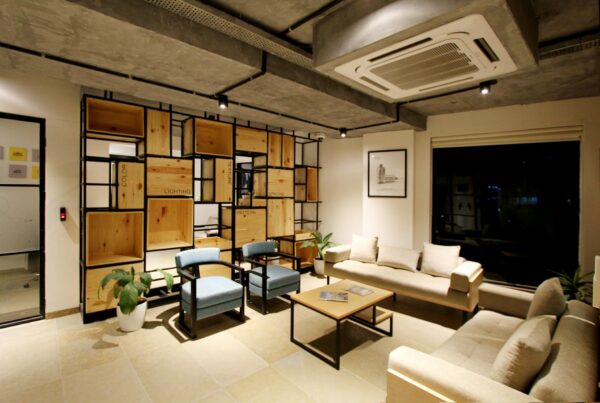
Community-focused buildings design spaces for interaction, not just Instagram.
Look at properties like:
- The Cooper at Southbank – Large coworking areas and event-ready lounges.
- 727 West Madison – Rooftop pool that regularly hosts resident events.
- Wolf Point East – Multiple social floors designed for gathering, not just views.
These aren’t empty lounges with stiff chairs. They’re programmed spaces.
2. Resident Programming That Actually Happens
Many buildings list “community events.” Few execute.
Strong social buildings offer:
- Monthly wine tastings
- Fitness classes are included in the rent
- Networking nights
- Holiday parties
- Pet socials
- Cooking demonstrations
In River North and West Loop luxury buildings, residents often get 2–4 organized events per month.
That changes everything. You don’t just live next to people — you meet them.
3. Layouts That Encourage Interaction
This matters more than you think.
Buildings designed with:
- Centralized mail rooms
- Visible coworking lounges
- Open kitchen event spaces
- Shared outdoor terraces
Create organic encounters. You see your neighbors regularly. You talk. You connect.
Compare that to older mid-rise buildings where residents disappear into private hallways. No comparison.
Where Social Buildings Are Thriving in Chicago
Certain neighborhoods naturally support community-focused living.
West Loop
Average rent (2026):
- Studios: $2,100–$2,400
- 1 Beds: $2,600–$3,200
- 2 Beds: $3,800+
Why it works:
- Restaurant density
- Walkability
- Younger professional demographic
- Strong building programming culture
Buildings here compete aggressively on amenities and social engagement.
River North
Average rent:
- Studios: $1,900–$2,300
- 1 Beds: $2,500–$3,100
- 2 Beds: $3,600+
Social buildings in River North attract finance, tech, and creative professionals who value networking.
South Loop
Slightly more affordable:
- Studios: $1,700–$2,000
- 1 Beds: $2,200–$2,800
Community-focused buildings here often skew toward graduate students and young families.
Why Renters and Buyers Care More Than Ever
After years of remote work, isolation, and flexible lifestyles, people want connection.
Social Buildings That Feel Like Communities offer:
- Built-in networking
- Reduced loneliness
- Better retention rates
- Higher property values
- Stronger resale appeal
For buyers, this translates into appreciation. Buildings with strong community cultures often maintain demand even in softer markets.
The Financial Side: Are Social Buildings Worth It?
Let’s talk numbers.
Luxury community-focused buildings may charge:
- $150–$350 monthly amenity fees
- $50–$100 monthly event programming fees (built into rent)
- Premium rents of 5–10% higher than comparable non-social buildings
But here’s the trade-off:
Instead of:
- Paying $200/month for coworking
- $150/month for gym
- $100 per event outside
You’re getting that lifestyle bundled in.
For many renters relocating to Chicago, especially from out of state, that built-in social ecosystem reduces the stress of starting over.
Red Flags: When “Community” Is Just Marketing
Not every building that claims to offer Social Buildings That Feel Like Communities actually delivers.
Watch for:
- Empty lounges during peak hours
- No posted event calendar
- No community manager
- Poorly maintained shared spaces
- Residents who don’t know each other
Ask during tours:
- How many resident events happened last month?
- Is there a full-time community manager?
- Can I see photos of recent events?
Real community leaves evidence.
How to Find the Right Social Building in Chicago
If you’re relocating or upgrading, here’s how to approach it:
Step 1: Identify Your Lifestyle
- Remote worker?
- Hybrid commuter?
- Social professional?
- Pet owner?
Step 2: Match Neighborhood to Energy
- West Loop = active and social
- River North = networking and nightlife
- South Loop = balanced and slightly quieter
Step 3: Tour During Peak Hours
Visit after 5 PM or on weekends. That’s when you’ll see if people actually use the amenities.
Why Social Buildings Are the Future of Urban Living
Chicago has always been a city of neighborhoods. Now, we’re seeing neighborhoods inside buildings.
Developers understand something simple: people don’t just rent square footage. They rent experience.
The rise of Social Buildings That Feel Like Communities reflects a shift in urban priorities — connection over isolation, shared experience over silent hallways.
And frankly, in a city that survives winter together, that matters.
Summary
Social Buildings That Feel Like Communities are transforming Chicago’s rental and condo market. From West Loop high-rises to South Loop towers, these properties combine intentional design, real programming, and social architecture to create a genuine connection.
While rents may run slightly higher, the value often exceeds the cost — especially for newcomers and young professionals seeking built-in networks.
The key is knowing which buildings truly deliver.
Visit TourWithAgent.com to schedule curated apartment tours in Chicago with real availability, real pricing, and an expert agent to guide you.