
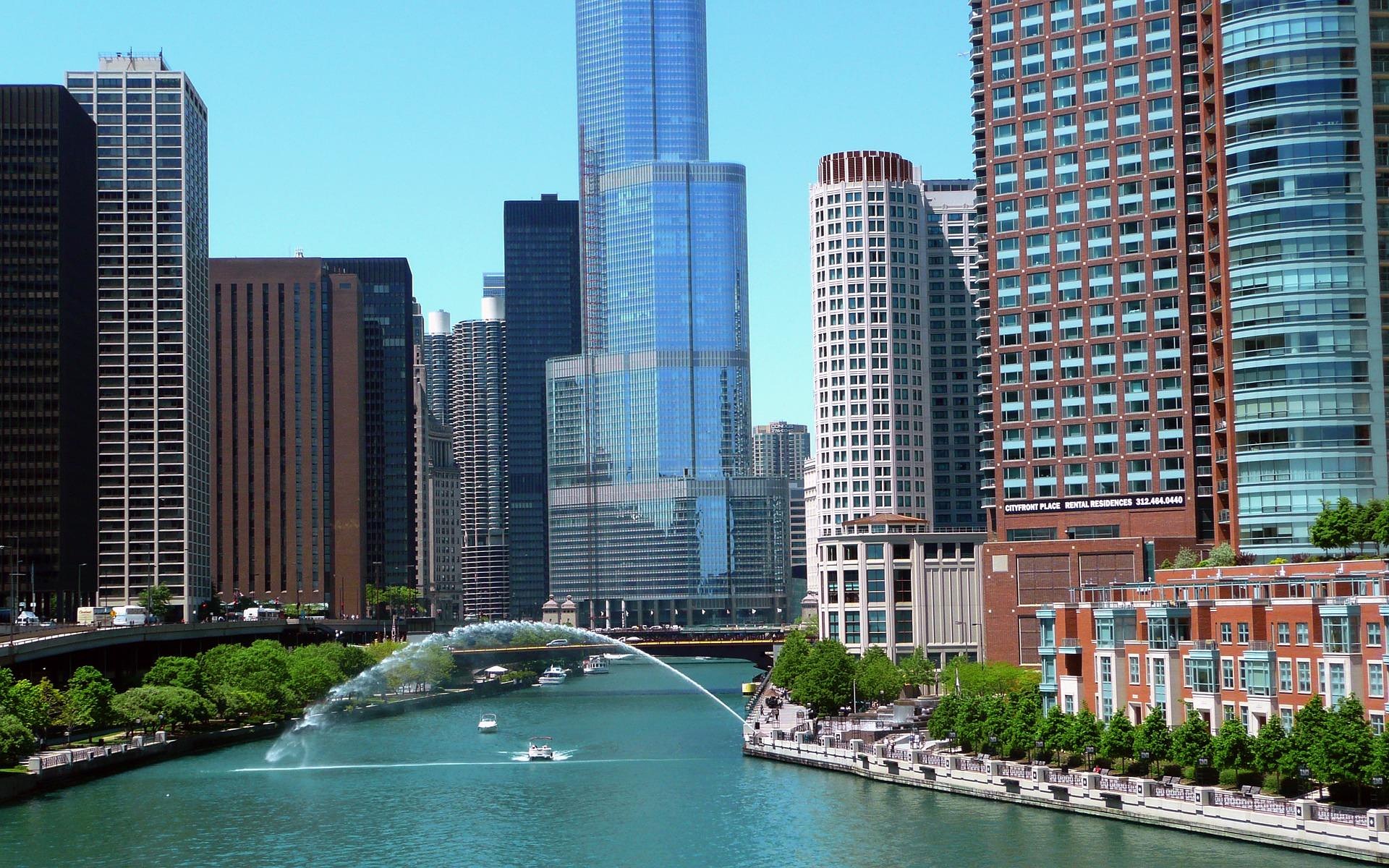
As we enter 2026, Chicago’s rental market has a familiar ring to it—prices are up once again. If you’re a renter or looking to move to the Windy City, you might be wondering whether it’s time to panic or if this is just the new normal. Let’s break down the latest data to see what’s really going on.
The Rising Trend of Chicago Rent Prices
A Snapshot of the Current Rental Market
The trend of rising rents in Chicago shows no signs of slowing down. According to the latest data from Zillow and RentCafe, average rental prices across the city have increased by nearly 5% over the past year. That’s right—5%. Whether you’re looking for a studio or a 2-bedroom apartment, the rise in costs is making it harder for renters to find budget-friendly options, especially in some of the city’s hottest neighborhoods.
- Studio Apartments: $1,400 (up 4%)
- 1-Bedroom Apartments: $1,800 (up 5%)
- 2-Bedroom Apartments: $2,400 (up 6%)
This rise in rental prices has been felt across all areas of the city, but some neighborhoods have experienced a sharper increase than others.
Key Neighborhoods Experiencing the Biggest Hikes
While rent is climbing citywide, certain neighborhoods have seen much higher increases. Areas like West Loop and Lincoln Park are leading the charge, with rents in these neighborhoods rising by more than 7% in the last year. Here’s a breakdown of the most notable neighborhoods:
- West Loop: Average rent is now $2,500 for a 1-bedroom, a 7% increase from last year.
- Lincoln Park: Rent in this trendy neighborhood has spiked to $2,350 for a 1-bedroom, up 6% from the previous year.
- River North: Despite being one of the more expensive areas in Chicago, rents here have climbed by 5%, with 1-bedroom apartments reaching $2,400.
On the other hand, neighborhoods like South Loop and Uptown have seen more moderate increases, around 4% year-over-year.
What’s Driving the Rent Increases?
Demand Still Outstrips Supply
Despite an increase in new apartments coming online, the demand for rental units in Chicago is still outpacing supply. This imbalance is particularly true in high-demand areas like the Loop and Fulton Market, where businesses are booming, and young professionals are flocking for work opportunities. When you combine this demand with a lack of available units, the prices naturally rise.
Rising Operating Costs for Landlords
Landlords across the city are also feeling the squeeze, as property maintenance costs, utilities, and property taxes climb year after year. To maintain profitability, many have been forced to pass these costs onto renters. In some cases, landlords are also opting for luxury upgrades to compete in a more crowded market, which adds additional costs to rent.
Interest Rates and the Housing Market
If you’re eyeing a move to Chicago and are contemplating whether to rent or buy, the ongoing volatility in the housing market may affect rent prices as well. With interest rates still high, buying a home remains out of reach for many potential buyers, keeping them in the rental market longer. This increased competition for rental properties is a key factor in the rising costs.
Is This the New Normal for Chicago Renters?
What Renters Should Expect in the Coming Months
The outlook for 2026 suggests that Chicago rent prices will continue to rise, albeit at a slower pace. We’re not expecting another 5% jump across the board, but experts predict that rent prices will continue to inch up by 2-3% per quarter. If you’re on the hunt for an apartment, don’t wait too long. The rental market remains tight, and early leasing can help you lock in a better rate.
- Pro Tip: Look for apartments that are slightly off the beaten path—neighborhoods like Logan Square or Pilsen still offer relatively lower prices while providing easy access to downtown.
Rent vs Buy in 2026: Is Now the Right Time to Make the Move?
If you’re on the fence about renting or buying, it’s important to consider both your long-term goals and the current state of the housing market. With rental prices climbing, it may make more sense to lock in a mortgage—especially in neighborhoods where prices are still relatively affordable.
Summary
Chicago’s rental market is showing no signs of slowing down. Prices are up across the board, and demand is still high in many of the city’s most popular neighborhoods. While the cost of renting continues to rise, it’s not all bad news. By staying informed and planning ahead, you can still find an apartment that fits your budget and your needs.
If you’re in the market for a new place, consider reaching out to an expert agent to get the inside scoop on the best available properties and pricing.
Visit TourWithAgent.com to schedule curated apartment tours in Chicago with real availability, real pricing, and an expert agent to guide you.