
I’ve covered Chicago housing long enough to know this truth: nothing empties a bank account faster than trusting the wrong piece of paper. In recent years, fake leases have quietly become one of the most damaging rental scams in the city. They look official, read professionally, and cost renters thousands—sometimes before the keys even touch their hands.
This is how the fake lease problem works in Chicago, why it’s growing, and how to spot it before you sign your name—or hand over your money.
What Is a Fake Lease?
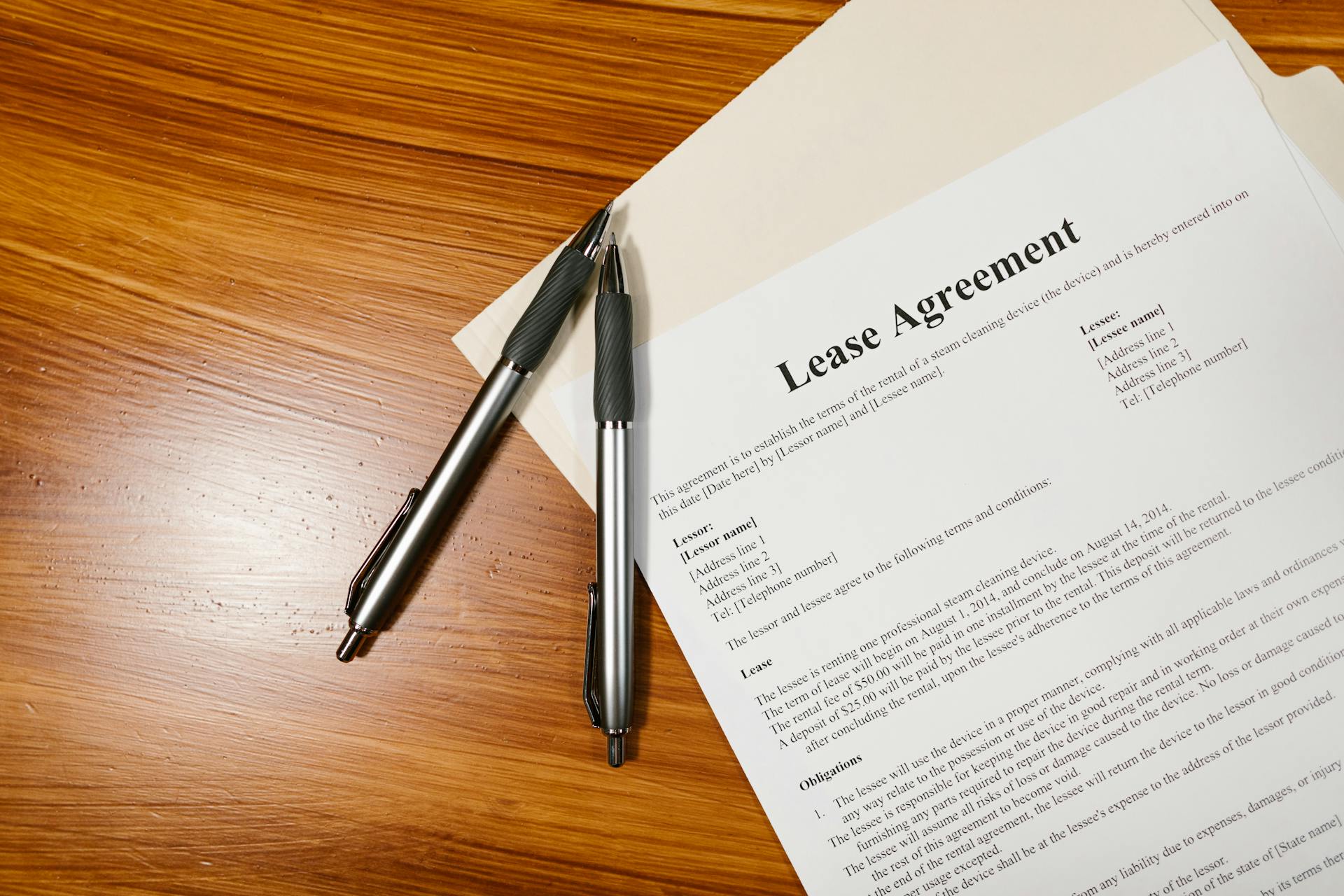
A fake lease is exactly what it sounds like: a rental agreement that looks legitimate but has no legal connection to the actual property owner or management company.
Common Fake Lease Scenarios
In Chicago, these scams usually fall into a few predictable patterns:
- A scammer copies a real listing from Zillow or Apartments.com
- Someone claims to be the “owner” but can’t meet in person
- A subletter rents out a unit they don’t legally control
- A former tenant reuses an old lease template illegally
On paper, everything looks normal. In reality, the person offering the lease has no legal right to rent the unit.
Why Fake Lease Scams Are Rising in Chicago
Chicago’s rental market is competitive, fast-moving, and emotionally charged—perfect conditions for fraud.
The Local Factors Fueling the Problem
- High demand in neighborhoods like Lakeview, West Loop, and Logan Square
- Out-of-state renters relocating for work
- Sight-unseen leasing after COVID
- Private landlords using informal processes
I’ve spoken with renters who lost $2,500 to $6,000 in move-in funds—first month’s rent, security deposits, and “hold fees”—only to find out on move-in day that the unit was never theirs.
The Biggest Red Flags of a Fake Lease
1. The Name on the Lease Doesn’t Match Public Records
In Chicago, property ownership is public information. If the lease lists “John Smith” but county records show a corporate LLC—or a different individual—that’s your first warning.
What to check:
- Cook County Recorder of Deeds
- Property tax records
- Management company websites
If the name doesn’t match, stop.
2. You’re Asked to Pay Before Touring—or Immediately After
In legitimate Chicago rentals, you do not pay large sums before verification.
Major red flag payments include:
- “Holding deposits” without paperwork
- Zelle, Cash App, crypto, or wire transfers
- Requests to “secure the unit today”
A real lease follows a real process. Pressure is a scammer’s favorite tool.
3. The Lease Looks Professional—but Is Vague
Fake leases are often copied templates filled with holes.
Watch for:
- No management company address
- Missing unit number
- No Illinois landlord disclosures
- No clear maintenance responsibility
Illinois law requires specific disclosures. Scammers skip them.
4. You’re Told Not to Contact the Building or Front Desk
This one always makes my ears perk up.
If someone says:
- “Don’t talk to the doorman”
- “Management doesn’t know yet”
- “This is a private arrangement”
You’re likely dealing with someone who doesn’t want their story checked.
Real-World Chicago Example: A $4,200 Lesson
A couple relocating from Texas signed what looked like a clean lease for a River North one-bedroom listed at $2,100/month—about $400 under market.
They paid:
- First month’s rent: $2,100
- Security deposit: $2,100
When they arrived, the front desk had never heard of them. The unit was already leased—by the real management company.
The lease was fake. The “landlord” vanished.
How to Verify a Lease Before You Sign
Step-by-Step Chicago Lease Verification Checklist
- Look up ownership through Cook County records
- Confirm the landlord or company online
- Tour the unit in person whenever possible
- Ask the building staff who manages the property
- Match payment instructions to the legal owner
- Read the lease for Illinois-required disclosures
If any step fails, walk away.
What a Legitimate Chicago Lease Should Include
A real lease almost always has:
- Legal owner or management company name
- Physical business address
- Clear rent, term, and unit number
- Illinois disclosures (lead paint, heat, repairs)
- Professional payment methods
If it feels informal, rushed, or oddly secretive—it probably is.
Why “Too Good to Be True” Pricing Is a Warning Sign
Chicago rents are fairly predictable.
Typical 2025 pricing ranges:
- Lakeview 1BR: $1,900–$2,400
- West Loop 1BR: $2,300–$3,000
- Logan Square 1BR: $1,600–$2,100
When someone offers a luxury unit far below market, the discount is often bait.
How TourWithAgent.com Helps Prevent Fake Lease Scams
Here’s the part where I stop being just a columnist and start being practical.
Platforms like TourWithAgent.com exist because fake leases thrive in chaos. Verified agents, verified listings, real tours—those things eliminate scam oxygen.
You see the unit.
You confirm the owner.
You sign a real lease.
No mystery. No disappearing landlords.
Summary: How to Avoid the Fake Lease Trap
Fake leases are one of Chicago’s quietest rental dangers. They look official, sound professional, and strike when renters are stressed or relocating.
If you remember one thing:
Never trust a lease you can’t independently verify.
Visit TourWithAgent.com to schedule curated apartment tours in Chicago with real availability, real pricing, and an expert agent to guide you.
Related Articles-
Chicago Rental Scams 2026: The 12 Red Flags You Can’t Ignore