
If you own property here, you’ve probably heard whispers about the 120-Day Permit in Chicago — usually in the same tone people use to discuss parking tickets or City Hall paperwork. The 120-Day Permit in Chicago can be a powerful tool for landlords, investors, and even homeowners testing the short-term rental waters. But if you don’t understand it, it can also become an expensive headache.
I’ve spent years covering real estate in Chicago, watching neighborhoods evolve from two-flats to luxury high-rises. And when it comes to short-term rentals, the rules matter — a lot.
Let’s break it down clearly, practically, and without the bureaucratic fog.
What Is the 120-Day Permit in Chicago?
The 120-Day Permit in Chicago allows property owners to legally rent their unit on a short-term basis for up to 120 nights per year.
This permit is typically used by:
- Homeowners renting while traveling
- Condo owners testing Airbnb income
- Investors managing occasional short-term stays
- Landlords transitioning between tenants
It is not a full short-term rental license. It is a limited-use authorization.
How It Differs from a Full Short-Term Rental License
Here’s the simple breakdown:
| Permit Type | Max Rental Days | Ideal For | Complexity |
|---|---|---|---|
| 120-Day Permit | 120 nights/year | Occasional short-term rentals | Moderate |
| Full Shared Housing License | Unlimited | Full-time Airbnb operators | High |
If you plan to rent occasionally, the 120-Day Permit in Chicago is often the smarter, lower-risk entry point.
Who Qualifies for a 120-Day Permit?
Chicago doesn’t hand these out like deep-dish slices at a Cubs game. There are requirements.
Basic Eligibility
You generally must:
- Be the owner or authorized operator
- Register your property with the City of Chicago
- Ensure the building allows short-term rentals
- Be in compliance with zoning rules
- Have no major outstanding building violations
Condo buildings may prohibit short-term rentals entirely. Always check your association bylaws before applying.
Neighborhood Rules Matter
Chicago’s short-term rental regulations vary by zoning and building type.
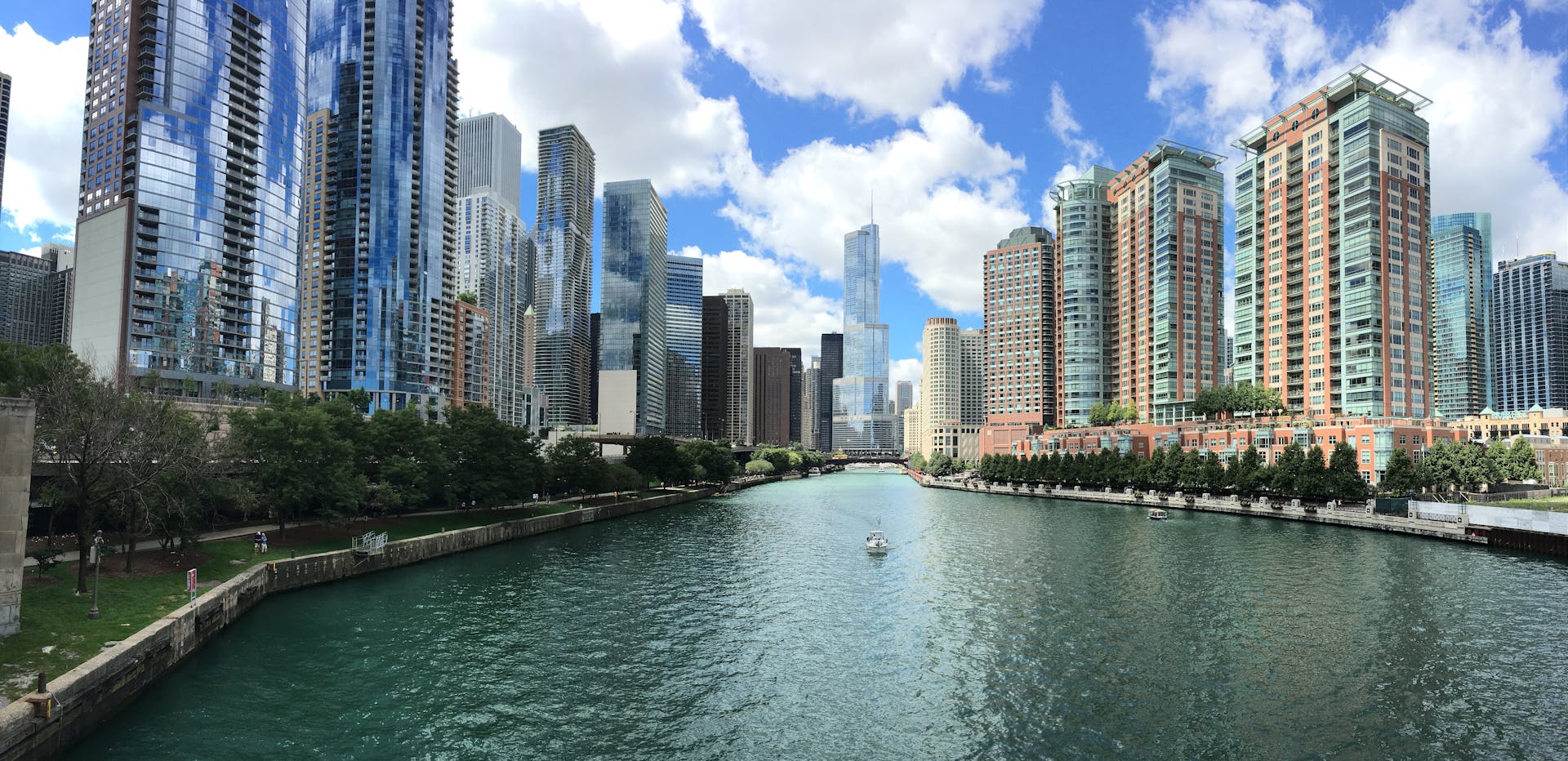
In some areas — especially dense condo corridors in River North, West Loop, and Streeterville — associations restrict or ban short-term rentals outright.
Meanwhile, in neighborhoods like Logan Square, Avondale, or Pilsen, small multi-units may have more flexibility — assuming zoning allows it.
Before applying for a 120-Day Permit in Chicago, verify:
- Zoning designation
- Building restrictions
- Proximity restrictions (if applicable)
- Shared housing caps in your area
How Much Does It Cost?
Let’s talk numbers, because that’s what matters.
Typical Costs
- Application Fee: Approximately $250–$500
- Platform Service Fees (Airbnb/VRBO): 3%–15%
- Cleaning/Turnover Costs: $100–$250 per stay
- Insurance: $300–$1,000 annually (short-term rental policy)
Total startup cost for compliance can easily reach $1,000–$2,500 depending on your situation.
Real-World Example
Let’s say you own a one-bedroom condo in West Loop:
- Average nightly rate: $175
- 80 booked nights per year
- Gross revenue: $14,000
After fees, cleaning, and taxes, net income might land around $9,000–$10,500.
That’s meaningful income — but only if done legally.
The Application Process
City Hall paperwork isn’t thrilling, but it’s manageable if you prepare.
Step-by-Step Overview
- Register your property with Chicago’s Shared Housing portal
- Submit application for 120-day authorization
- Upload proof of ownership
- Provide floor plan and contact information
- Pay required fees
- Await city review and approval
Approval timelines typically range from 2 to 6 weeks, depending on workload and completeness of your submission.
Incomplete applications cause delays.
Common Mistakes to Avoid
After years of covering rental disputes and short-term rental crackdowns, I’ve seen the same mistakes repeatedly.
1. Ignoring Condo Rules
Even if the city approves your permit, your HOA can still prohibit rentals.
2. Underestimating Insurance Needs
Standard homeowner policies often do not cover short-term rentals.
3. Failing to Track Days
The 120-Day Permit in Chicago is capped at 120 nights. Exceed that, and you risk fines.
4. Overlooking Taxes
Short-term rentals are subject to:
- Chicago Hotel Accommodations Tax
- Illinois state taxes
- Federal income tax
Platforms often collect taxes automatically, but confirm.
Is It Worth It for Investors?
For full-time short-term rental operators, the 120-day cap may feel limiting.
But for:
- Snowbirds
- Traveling professionals
- Owners between tenants
- Homeowners relocating temporarily
It can be ideal.
Comparison: Long-Term vs. 120-Day Permit
Long-Term Lease (12 months):
- Stable income
- Fewer turnovers
- Lower management stress
120-Day Permit Model:
- Higher nightly rate
- Seasonal flexibility
- More management effort
It’s not about which is better — it’s about which fits your strategy.
What Renters Should Know
If you’re relocating to Chicago and booking a short-term stay:
- Verify the listing displays a valid registration number
- Confirm building rules allow short-term guests
- Be cautious of “off-platform” payment requests
Illegal listings can disappear overnight.
For buyers considering income potential, always confirm whether a property qualifies for a 120-Day Permit in Chicago before making financial projections.
Enforcement & Penalties
Chicago takes compliance seriously.
Potential consequences include:
- Fines
- Suspension of license
- Removal from rental platforms
- Legal disputes with condo boards
This is not a gray-area system anymore. The city actively monitors listings.
Summary: Should You Apply?
The 120-Day Permit in Chicago can be a strategic income tool when:
- Your building allows it
- Zoning supports it
- You understand the costs
- You track your rental nights carefully
It’s not a loophole. It’s a regulated opportunity.
Used correctly, it can generate meaningful supplemental income. Used carelessly, it can create expensive problems.
Final Thoughts
Chicago real estate has always rewarded people who understand the fine print. From two-flats in Lincoln Square to lofts in Fulton Market, compliance isn’t glamorous — but it protects your investment.
Whether you’re a landlord, buyer, or renter navigating short-term housing, understanding the 120-Day Permit in Chicago helps you make informed, strategic decisions.
Visit TourWithAgent.com to schedule curated apartment tours in Chicago with real availability, real pricing, and an expert agent to guide you.