

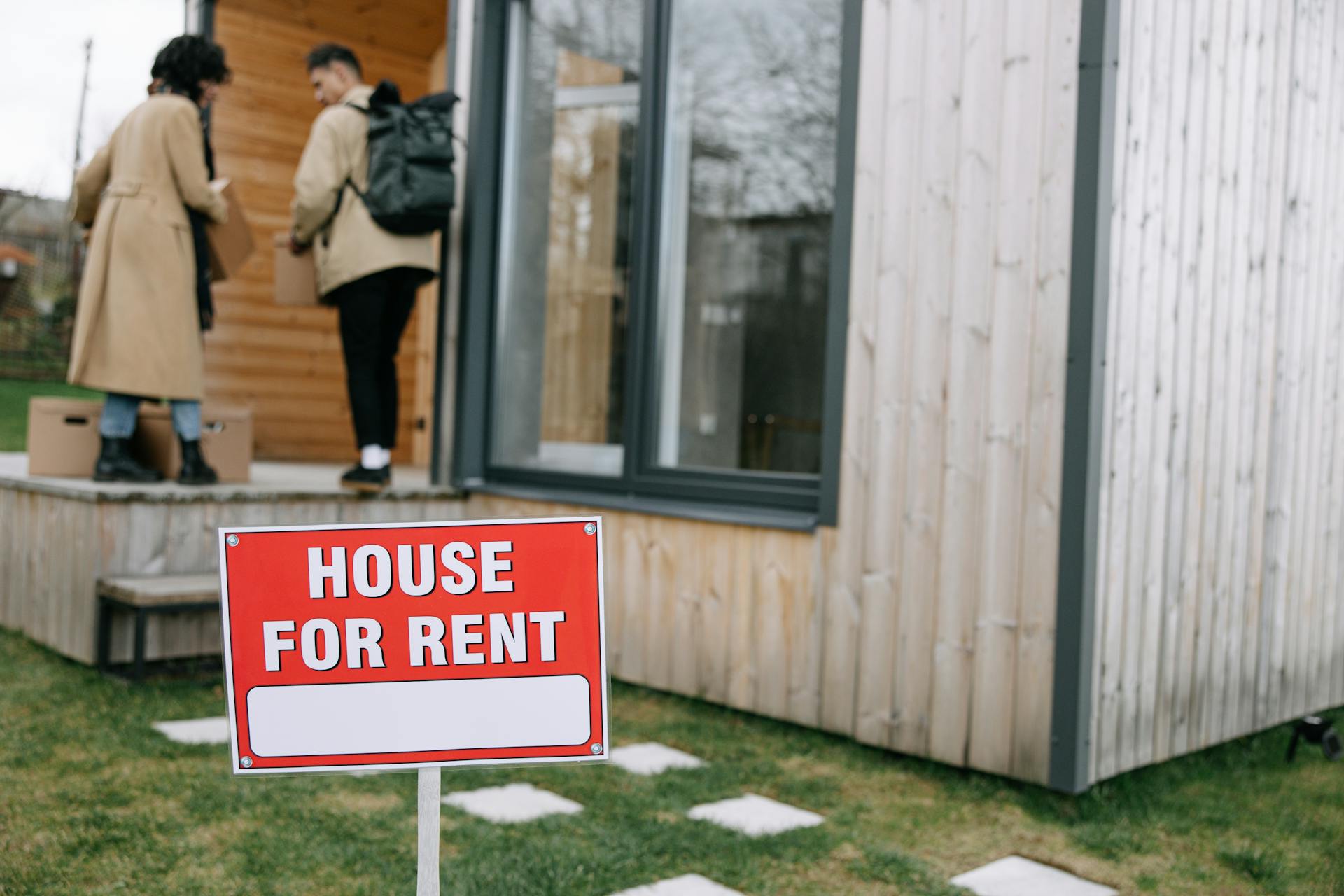
Timing is everything in this town—especially when it comes to your lease. Pick the wrong start date, and you’ll overpay for a place you barely like. Pick the right one, and suddenly that same apartment feels like a deal you brag about at brunch. Chicago’s rental calendar has its own rhythm, and if you know how to work it, you can save a small fortune without sacrificing your sanity.
Understanding Chicago’s Seasonal Rental Cycle
Before we get to the “hacks,” let’s set the scene. Chicago’s rental market doesn’t move at the same pace year-round. It’s more like the CTA Red Line—packed one moment, deserted the next.
Peak vs. Off-Peak
- May through August: High-demand, high-price months. This is when most leases turn over. Students are back, jobs are shifting, and inventory moves fast. Expect to pay 10–15% more for the same unit.
- November through February: The quiet season. Landlords get desperate. You’ll find “two months free” specials, no move-in fees, and even some rent reductions.
- March and April: Transitional period—sweet spot for finding fresh listings before the summer surge hits.
Why This Matters
Lease timing dictates everything: your rent, your competition, even your moving cost. If you know when to sign—and more importantly, when to start—you can make the market work for you.
The Art of the Lease Start Date Hack
This isn’t about trickery; it’s about strategy. Think of it as bending the rental timeline to your financial advantage.
1. Shift Your Move-In by 10 Days
If your dream unit starts on June 1st but your current lease ends May 31st, don’t panic. Ask for a mid-month move-in instead of a full-month overlap.
- Many landlords will prorate rent if you explain you’re bridging two leases.
- You could save $500–$1,000 just by adjusting dates instead of paying double rent.
2. Target a Winter Lease Start Date
Signing in December or January might sound brutal, but hear me out. Landlords hate vacancies in the cold. They’ll often offer lower base rent or concessions.
- Example: A $2,200 Lakeview 1-bedroom in July might drop to $1,950 in January.
- That’s over $3,000 saved across a 12-month lease.
3. Negotiate for a “Free Early Move-In”
If a landlord says your lease starts the 15th but the unit’s already vacant, ask to move in a few days early.
- You might get 3–5 days free just for asking nicely.
- This works especially well in small buildings where the owner handles leases directly.
4. Break the 12-Month Mold
Who said a lease has to be a year? Try a 10- or 14-month lease instead. This pushes your next renewal away from summer’s peak pricing.
- Example: Sign a 14-month lease in March, and your renewal hits next May, just before the price surge.
5. Leverage End-of-Month Vacancies
Landlords often prefer leases to start on the 1st, but by the 20th–25th, they start sweating empty units.
- Watch listings in the last week of any month.
- You’ll spot “Move-in this week, get $500 off” promos that vanish after the 1st.
Insider Timing Secrets From Chicago Agents
Real Chicago agents (and veteran renters) know a few unwritten rules about timing.
The 60-Day Window
Most Chicago landlords post listings 45–60 days before the lease start. Searching earlier? You’ll find stale or already-leased units. Too late? You’ll pay full price out of desperation.
Align With Your Employer’s Cycle
Many corporate relocations (especially in the Loop, River North, and West Loop) hit in June and September. If you’re not part of that crowd, aim to sign right before or after those months to dodge competition.
Avoid Holiday Weekends
Landlords and movers charge premiums over Memorial Day or Labor Day weekends. A midweek, mid-month lease start (say, June 13th) can shave hundreds off your moving expenses.
Real-World Chicago Examples
Let’s get concrete.
- Wicker Park, 2-Bedroom: Listed at $2,600 in July. Same unit listed in December? $2,300 with two months free—a $6,000 swing.
- South Loop Studio: Mid-April start, $1,850. Mid-June start, $2,050. Same building, different timing.
- West Town Duplex: Offered a free week’s rent for a May 25th lease start. The next month, that promo vanished.
Timing is the market.
Pro Tip: The Renewal Shuffle
Even if you’re not moving, lease start date hacks still help. Try this:
- Ask your landlord to extend your lease by one or two months instead of renewing for a full year.
- This resets your renewal period into the off-season, giving you stronger negotiating power next time around.
You’re not just signing a lease—you’re playing chess with the market.
Summary: Timing Isn’t Everything—It’s the Only Thing
Chicago renters who pay attention to timing win big. By shifting your lease start date just a few weeks—or even days—you can unlock lower rents, better units, and smoother moves.
If you take nothing else from this, remember: move-in flexibility equals money saved.
Visit TourWithAgent.com to schedule curated apartment tours in Chicago with real availability, real pricing, and an expert agent to guide you.
Related Articles :
Best Time to Rent in Chicago: Cheapest Months
Winter Leasing in Chicago: How to Negotiate Like a Shark
Summer Leasing in Chicago: How to Compete Without Overpaying