

Two Kinds of Chicago, One Big Question
If you’ve rented in Chicago for more than a minute, you’ve faced this decision: sleek new construction or vintage walk-up charm? One smells like fresh drywall and quartz countertops; the other creaks, but in that “soul of the city” kind of way. I’ve toured both—through every neighborhood from Lakeview to Logan Square—and trust me, each tells a story about how Chicago lives, breathes, and leaks heat through its windows in January.
Let’s break it down like a local who’s been through three lease renewals, one building fire alarm, and an unforgettable landlord named Frank.
The Allure of New Construction
The Shine and the Systems
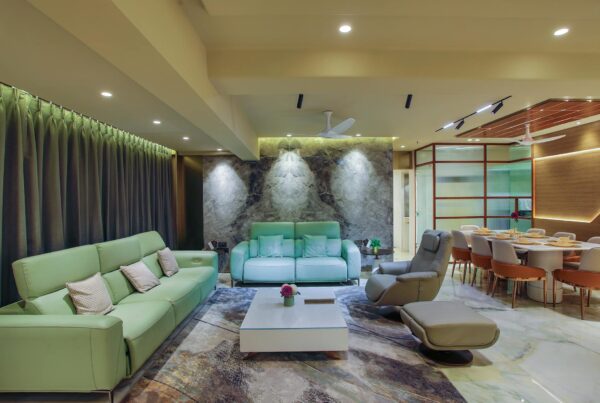
Modern Chicago developments are like the iPhones of housing—sleek, smart, and sometimes overpriced. Picture floor-to-ceiling windows overlooking the river, a rooftop pool that looks good on Instagram, and a gym that pretends you’ll use it.
Typical features include:
- Central air and in-unit laundry (the holy grail)
- 24-hour doorman and package lockers
- Pet spas (yes, Fido gets better treatment than you)
- Energy-efficient appliances and soundproofing
In downtown neighborhoods—think West Loop, River North, and South Loop—expect rents between $2,300–$3,500 for a one-bedroom. You’re paying for convenience, community lounges, and the kind of security that makes your parents sleep easier.
The Catch—Costs and Personality
Here’s the flip side: many new builds feel like carbon copies. Same gray plank floors, same quartz island, same “luxury vinyl” smell. And all that polish costs you—sometimes up to 30% more per square foot than comparable vintage units.
The Case for Vintage Walk-Ups
Charm That Can’t Be Replicated
Vintage Chicago apartments are architectural time capsules—crown moldings, built-ins, and radiators that sound like they’re haunted. These are the places you’ll find in Lincoln Park, Wicker Park, or Andersonville, tucked into three-flats or six-flats built when “walk-up” literally meant your cardio for the day.
Why renters love them:
- Lower rent (often $1,500–$2,200 for a one-bedroom)
- Larger floor plans and better natural light
- Original details with real craftsmanship
- Neighborhood character—tree-lined blocks, local cafés, and actual neighbors you’ll see twice
The Trade-Offs
That old-school charm can come with century-old quirks:
- Window A/C units
- Radiator heat that’s either Arctic or Sahara
- Creaky floors and minimal insulation
- Laundry in the basement—or none at all
But if you’re the kind of person who loves a unit with history and a landlord who’s maybe a retired jazz drummer, this might feel like home.
The Lifestyle Equation
Commute, Convenience, and Community
Your lifestyle may decide faster than your budget. If you’re a downtown commuter who works in The Loop or Fulton Market, a new build may save you 45 minutes of daily CTA chaos.
But if your soul lives in neighborhood coffee shops and farmers’ markets, the vintage life calls your name.
Rule of thumb:
- Work downtown + gym rat + short-term lease = New construction
- Work remote + cozy homebody + longer stay = Vintage walk-up
Value Over Time
New constructions tend to attract renters who stay shorter periods—corporate professionals, relocation packages, or those new to Chicago. Vintage units, on the other hand, often become long-term homes. Over five years, you could save $12,000–$20,000 just by opting for vintage and paying modest rent increases.
Real-World Example
Take West Loop’s The Mason, where one-bedrooms start around $3,100 with concierge service and a rooftop terrace. Now compare it to a Wicker Park walk-up for $1,950 with a private back deck, original oak floors, and a five-minute walk to the Blue Line.
Which is “worth it”? Depends on whether you’d rather have a skyline view—or $1,000 extra every month to spend on Pequod’s deep dish and concert tickets at the Salt Shed.
The Verdict—Head or Heart?
If you value:
- Predictability, amenities, and comfort → Go new construction.
- Personality, price, and roots → Choose the vintage walk-up.
Chicago doesn’t do cookie-cutter lifestyles. The beauty is, you can find both within a mile radius—glittering glass towers next to brownstones that outlived Prohibition.
Summary
New constructions win on convenience, but vintage walk-ups win on authenticity. The right choice depends on your priorities—budget, location, and how much you value a rooftop pool versus a bay window that looks out on century-old elms.
Visit TourWithAgent.com to schedule curated apartment tours in Chicago with real availability, real pricing, and an expert agent to guide you.