

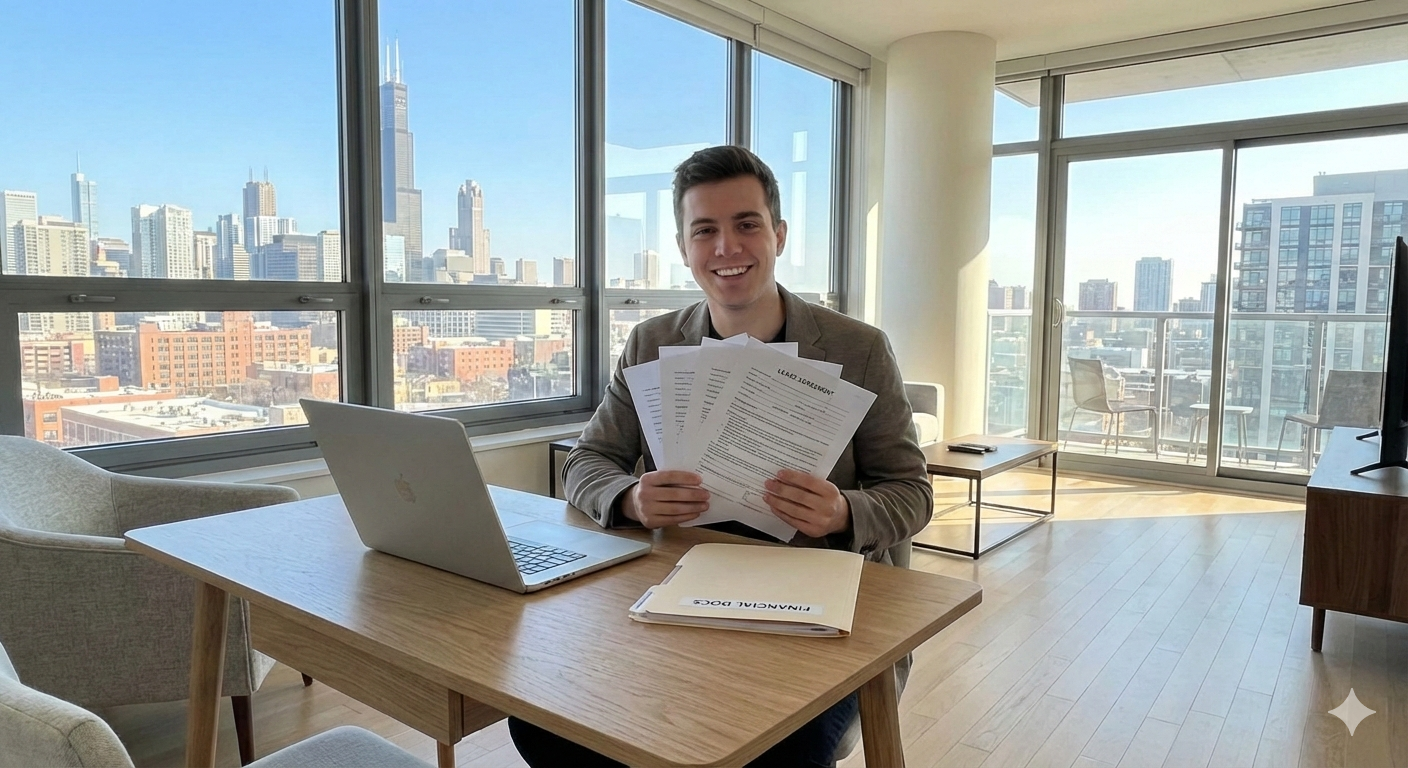
If you’re in Chicago and you’ve got savings, but no job, securing an apartment can seem like an impossible task. Chicago’s rental market is competitive, but it’s not impossible to rent without a regular paycheck, especially if you’ve got a financial cushion to work with. With the right strategy, a bit of creativity, and the right documentation, renting with savings is totally doable. Here’s your comprehensive guide on how to rent with no job but savings, the proof that works, and what steps to take to make your application stand out.
Understanding the Chicago Rental Market
Renting in Chicago, whether in the bustling West Loop, trendy River North, or quieter neighborhoods like Lincoln Park, comes with its own set of challenges. But don’t let the competitive nature of the market intimidate you.
- High Demand: Chicago’s rental market is notoriously high-demand, especially in certain neighborhoods. But this doesn’t mean you’re out of luck.
- Documentation: Many landlords ask for proof of income, typically from a steady job. But what if you’re not working full-time? Fear not—landlords have alternative options.
- Savings as a Safety Net: If you have substantial savings, this can be your golden ticket. Here’s how you can leverage that.
Proof of Income Without a Job: What Works in Chicago?
If you’re not employed, it’s all about proving to the landlord that you can cover the rent and maintain financial stability. This means having solid documentation that shows you can comfortably pay the rent for the duration of your lease.
Bank Statements and Savings Accounts
One of the most straightforward ways to prove that you can afford the rent is by showing your savings. Here’s what to focus on:
- 3–6 months of bank statements: This shows that you have enough in savings to cover rent, utilities, and other living expenses.
- Proof of emergency funds: Landlords want to know you’re prepared for unexpected costs, so highlight your emergency savings.
Lease Guarantors or Co-Signers
If your savings are decent but don’t quite cover the rent for a year’s lease, you might want to consider having a guarantor. A guarantor is someone who agrees to pay your rent if you fail to do so. This person needs to provide their own financial proof, such as income statements, to reassure the landlord.
Proof of Other Income
If you don’t have a job, you might have other sources of income such as freelance work, rental properties, investments, or government benefits. Here’s how you can provide proof:
- Tax returns: If you’re a freelancer or have other income streams, showing your tax returns can help validate your claims.
- Proof of passive income: Income from dividends, investments, or rental properties can be a huge asset when securing a lease.
Letter of Reference from Previous Landlords
A strong reference letter from previous landlords or property managers can show your reliability as a tenant. It may highlight your timeliness in paying rent and your responsible nature, which is key when applying with savings instead of a regular paycheck.
Renters Insurance and Lease Terms: What You Should Know
A lease isn’t just about agreeing to the rent price. You’ll also need to consider additional costs and the specific terms of your rental agreement, especially when renting with no job.
Renters Insurance
Having renters insurance will give your landlord peace of mind, showing that you’re prepared for the unexpected. Renters insurance covers your personal belongings and liability, which can make you a more attractive tenant.
Lease Length and Rent Payments
Since you may not have a job, some landlords might ask for a longer lease or require that you pay a few months’ rent upfront to ensure you have the financial backing. Be ready to discuss these options.
Strategies to Stand Out as a Tenant in Chicago
In a competitive rental market, standing out as a tenant can make a huge difference. Here’s how you can boost your chances of securing a lease without a job.
Show That You’re Responsible and Organized
Being well-prepared shows that you are a responsible tenant. Organize all of your documents, keep your credit in check, and demonstrate how you’re handling your financial situation.
- Offer to pay several months upfront: This reduces the risk for landlords and gives them confidence that you can pay your rent.
- Be transparent: Don’t hide the fact that you don’t have a job—explain your savings and other income sources upfront.
Summary
Renting an apartment in Chicago with no job but savings is definitely possible. By presenting the right documentation—whether that’s bank statements, proof of income from passive sources, or having a guarantor—you can still secure a lease in one of the country’s most competitive rental markets. Just be honest, proactive, and prepared to negotiate lease terms. Your savings are your ticket to landing your next Chicago home.
Visit TourWithAgent.com to schedule curated apartment tours in Chicago with real availability, real pricing, and an expert agent to guide you.
Related Articles:
What Credit Score Do You Need in Chicago?