

If you’ve spent five minutes reading about Chicago real estate lately, you’ve heard about luxury high-rises in River North and bidding wars in Lincoln Park. But the rental market nobody is talking about is quietly reshaping the city. And if you’re a renter, buyer, or someone relocating to Chicago, this is the market that actually matters.
I’ve walked these blocks for years — from Logan Square to Bronzeville — and I can tell you this: the headlines are missing the real story.
What Is The Rental Market Nobody Is Talking About?
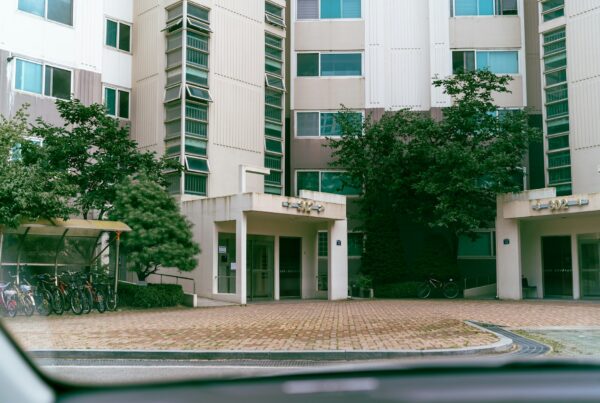
The rental market nobody is talking about isn’t the shiny new towers along the Chicago River. It’s the mid-tier, professionally managed, small-to-mid building inventory scattered across neighborhoods like:
- Avondale
- Uptown
- Bridgeport
- Portage Park
- Edgewater
- Albany Park
These are:
- 6–30 unit buildings
- Renovated courtyard apartments
- Two- and three-flats converted to rentals
- Privately owned walk-ups
They’re not flashy. They don’t have rooftop pools. But they’re clean, well-located, and priced realistically.
And that’s exactly why they matter.
Why This Market Is Growing in 2026
1. Luxury Rents Have Hit a Ceiling
In neighborhoods like River North and West Loop, studios now range from $1,900–$2,400. One-bedrooms often sit between $2,300–$3,200.
Meanwhile, in Uptown or Avondale:
- Studio: $1,100–$1,400
- One-bedroom: $1,350–$1,750
- Two-bedroom: $1,800–$2,400
That’s a difference of $500–$1,000 per month.
In a city where property taxes keep climbing and groceries aren’t getting cheaper, renters are doing math.
2. Remote Work Changed Location Priorities
When you don’t commute daily to The Loop, you start asking different questions:
- Is there green space nearby?
- Is there parking?
- Is the rent reasonable?
- Can I get to the Blue Line when needed?
Neighborhoods like Portage Park and Albany Park suddenly look very attractive.
3. Landlords Are Avoiding Big Portals
Another reason the rental market nobody is talking about stays under the radar: many landlords don’t list everywhere.
Instead of flooding major platforms, smaller owners rely on:
- Direct leasing
- Local agents
- Word of mouth
- Off-market inventory
That means the best units often never hit the big sites.
Real-World Example: A Tale of Two Apartments
Let’s compare two real scenarios from early 2026.
Apartment A – West Loop High-Rise
- 1 bedroom, 650 sq ft
- Rent: $2,750
- $500 move-in fee
- Parking: $300/month
- Utilities extra
Apartment B – Renovated Courtyard in Uptown
- 1 bedroom, 750 sq ft
- Rent: $1,650
- $400 move-in fee
- Free street parking
- Heat included
That’s over $1,200 per month in total savings.
Multiply that by 12 months. You’re looking at nearly $14,000 annually.
That’s not a small difference. That’s a vacation. A savings fund. A down payment.
Why Buyers Should Pay Attention Too
If you’re a buyer, especially an investor, the rental market nobody is talking about signals opportunity.
Strong Demand in Non-Luxury Segments
Mid-tier rentals:
- Rent faster
- Attract longer-term tenants
- Experience less volatility
Luxury buildings compete heavily on concessions. Smaller buildings often don’t need to.
Cap Rates and Realistic Numbers
While luxury towers compress margins, small multifamily buildings in neighborhoods like Bridgeport or Albany Park often:
- Have lower acquisition costs
- Maintain steady rent growth
- Offer stable tenant demand
Investors who ignore this segment miss consistent cash flow.
Relocating to Chicago? This Is Where You Should Look
If you’re moving to Chicago for work — healthcare, tech, education — and you don’t know the neighborhoods yet, you’re likely seeing the same sponsored listings over and over.
That doesn’t represent the full Chicago rental market 2026 picture.
Instead, consider:
- Identifying your true commute pattern
- Setting a realistic rent-to-income target
- Touring neighborhoods outside downtown
- Working with an agent who has access to private inventory
Relocating renters often overspend because they don’t know options exist outside the top five Google results.
The Psychology of Visibility
Here’s the uncomfortable truth: the rental market nobody is talking about doesn’t dominate headlines because it isn’t glamorous.
No influencer shoots content in a 12-unit brick building in Avondale.
But the fundamentals are solid:
- Stable pricing
- Real neighborhoods
- Manageable competition
- Fair lease terms
Sometimes the smartest move isn’t the loudest one.
Where This Market Is Headed
In 2026 and beyond, expect:
- Continued migration from luxury to mid-tier
- Increased competition for well-renovated walk-ups
- More off-market leasing
- Higher importance of local agent access
As interest rates fluctuate and affordability becomes central, practical housing wins.
And practical housing lives in the rental market nobody is talking about.
Summary: Why This Matters
The rental market nobody is talking about represents:
- Affordable alternatives to luxury towers
- Strong investment opportunities
- Smart relocation strategies
- Stable neighborhoods with long-term value
It’s not about avoiding luxury. It’s about understanding the full spectrum of Chicago rental trends.
When renters save money and buyers see steady returns, that’s not hype. That’s fundamentals.
Visit TourWithAgent.com to schedule curated apartment tours in Chicago with real availability, real pricing, and an expert agent to guide you.