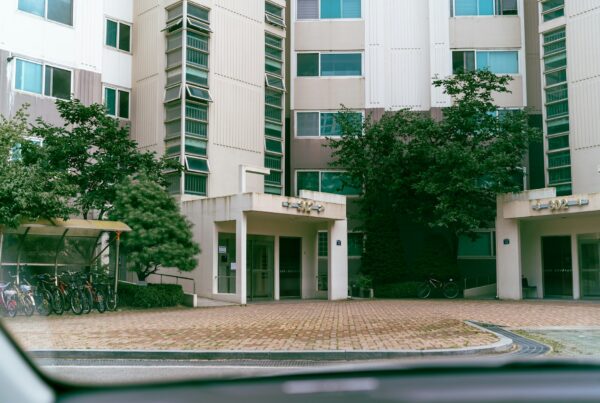


If you’ve ever tried apartment hunting in Chicago in July, you know it feels less like shopping and more like competitive sports. The rental touring process can move fast, especially in neighborhoods like Lincoln Park, West Loop, and Wicker Park. Over the years, I’ve walked into hundreds of buildings with first-time renters, relocators from New York, and buyers testing the waters before committing.
Understanding the rental touring process is the difference between landing the unit you love — and watching it disappear while you’re still Googling “What is a move-in fee?”
Let’s break it down, step by step.
Why the Rental Touring Process Matters in Chicago
Chicago’s rental market isn’t slow and polite. It’s fast, seasonal, and neighborhood-specific.
In peak season (May through September):
- Well-priced units can rent within 24–72 hours
- 2-bedroom apartments in popular areas range from $2,200–$3,800
- Luxury high-rises in the West Loop often start around $2,500 for 1-bedrooms
- Move-in fees typically range from $250–$600 instead of traditional deposits
If you don’t understand the rental touring process, you risk missing out.
Step 1: Define Your Budget and Must-Haves
Before you step foot in a lobby, get clear on three things:
1. Monthly Budget
Most landlords require income of 2.5–3x the monthly rent.
Example:
If rent is $2,500/month, you’ll need to show income of $6,250–$7,500 per month.
2. Location Preferences
Chicago is hyper-local.
- West Loop: Modern, expensive, restaurant-heavy
- Lakeview: Walkable, nightlife, lake access
- Logan Square: Trendy, artistic, more space for your money
- South Loop: High-rises, quieter, good for commuters
3. Non-Negotiables
- In-unit laundry?
- Parking? (Garage parking can cost $150–$300/month)
- Pet-friendly? (Pet fees often $300–$500)
Knowing this saves hours during the rental touring process.
Step 2: Connect With an Agent or Schedule Tours
In Chicago, renters typically do not pay agents directly. The landlord covers commission in most cases.
Working with a platform like TourWithAgent.com means:
- Access to real-time availability
- Curated tours in the same neighborhood
- Efficient scheduling (3–6 units in one afternoon)
- Honest insight about pricing and concessions
During busy months, self-scheduling can delay you days — and days matter.
Step 3: Pre-Qualification Before the Tour
Here’s something many renters don’t realize:
You should be pre-qualified before you tour.
Have ready:
- Photo ID
- Last 2 pay stubs
- Employment verification
- Credit score estimate
- Bank statements (if needed)
Why? Because in hot markets like River North, a well-priced unit can receive multiple applications the same day.
In the rental touring process, speed equals leverage.
Step 4: Touring the Property — What to Look For
Walking through a unit is more than checking the countertops.
Exterior and Building
- Is the lobby clean?
- Are security features visible?
- Does management seem organized?
Inside the Unit
- Water pressure
- Window quality (Chicago winters matter)
- Noise level
- Closet space
- Appliance age
Ask About:
- Utility averages (gas heat in winter can run $80–$150/month)
- Move-in fees vs security deposit
- Lease length flexibility
- Renewal increases
Example: A West Loop high-rise might offer 1 month free on a 12-month lease, effectively lowering your net rent by $200–$300 monthly.
Understanding concessions is a critical part of the rental touring process.
Step 5: Compare and Decide Quickly
After 3–5 tours, most renters narrow down to two favorites.
Create a simple comparison list:
- Net effective rent
- Commute time
- Natural light
- Storage
- Total move-in cost
Example Comparison:
- Unit A: $2,400 + $400 move-in fee
- Unit B: $2,500 + 1 month free (net $2,292)
On paper, Unit B might be cheaper long-term.
This is where having an experienced agent helps you break down real numbers.
Step 6: Submit Application Immediately
In competitive Chicago neighborhoods, waiting overnight can cost you the unit.
Typical application fees:
- $50–$75 per applicant
Approval timelines:
- 24–48 hours for larger buildings
- 48–72 hours for private landlords
Once approved, you’ll:
- Pay move-in fee or deposit
- Sign the lease electronically
- Schedule elevator move-in time (for high-rises)
Step 7: Lease Review and Final Steps
Before signing:
- Confirm lease start and end date
- Check pet clauses
- Review maintenance request process
- Understand early termination policy
Chicago leases often include a 60-day notice requirement before move-out.
The rental touring process officially ends when keys are in hand — but preparation determines whether you feel confident or rushed.
Common Mistakes During the Rental Touring Process
- Touring without paperwork ready
- Underestimating parking costs
- Ignoring winter heating expenses
- Waiting too long to apply
- Not understanding net effective rent
I’ve seen renters lose dream units in Lincoln Park because they “wanted to think about it.”
In Chicago, thinking time is limited.
Why This Process Matters for Buyers and Relocators
Even buyers benefit from understanding the rental touring process.
Many relocating professionals rent for 6–12 months before purchasing. Touring strategically helps:
- Learn neighborhoods
- Test commute routes
- Understand pricing trends
- Avoid overpaying
Renting first can prevent a rushed purchase decision.
Summary: The Chicago Rental Touring Process at a Glance
- Set budget and non-negotiables
- Connect with an agent
- Pre-qualify before touring
- Tour strategically
- Compare real costs
- Apply immediately
- Review lease carefully
Chicago’s market moves quickly, but preparation keeps you in control.
The rental touring process is not complicated — it’s simply fast.
And when you understand it, you win.
Visit TourWithAgent.com to schedule curated apartment tours in Chicago with real availability, real pricing, and an expert agent to guide you.